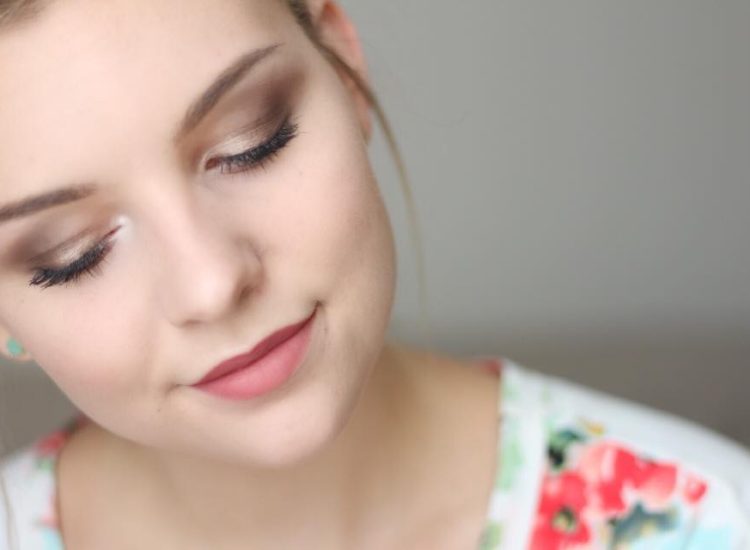
Facial balance and symmetry play an important role in how people perceive beauty and confidence. Over time, many individuals have developed a strong interest in facial contouring techniques that enhance natural features and create a harmonious appearance.
Among different facial features, the jawline often attracts the most attention. A well-defined jawline highlights facial proportions and makes the face appear slimmer and more structured.
In modern aesthetic discussions, one popular facial contour that many people desire is the v shape jawline. This facial structure is characterized by a narrower lower face that tapers smoothly toward the chin, creating a contour that resembles the shape of the letter “V.”
A V-shaped jawline is commonly associated with a youthful and refined appearance, which is why many individuals seek ways to enhance or achieve this facial shape.
What Is a V-Shaped Jawline?
A V-shaped jawline describes a facial contour where the jaw gradually tapers toward the chin, forming a soft triangular structure. This shape usually includes a defined jaw angle along with a balanced and slightly prominent chin.
When viewed from the front, the upper part of the facensuch as the forehead and cheekbones appears slightly wider. Meanwhile, the lower part narrows toward the chin. Consequently, this structure creates symmetry between facial features and gives the face a refined appearance.
Several factors influence the development of a V-shaped face. These include bone structure, muscle tone, and the distribution of facial fat.
Why a Defined Jawline Is So Popular
In many cultures, people associate a well-defined jawline with youthfulness, elegance, and facial harmony. A V-shaped contour enhances facial balance and often makes the face appear slimmer.
There are several reasons why this facial shape remains highly desirable.
Balanced Facial Proportions
First, a tapered jawline creates visual symmetry between the upper and lower parts of the face. Because of this balance, the overall appearance looks more harmonious.
Youthful Appearance
Younger faces typically have firmer skin and sharper facial contours. Therefore, a V-shaped jawline often gives the impression of a youthful structure.
Slimmer Facial Look
Additionally, the narrowing shape of the jawline can create the illusion of a slimmer and more sculpted face.
Enhanced Cheekbone Definition
A well-defined jawline also draws attention to the cheekbones. As a result, the entire face appears more contoured and structured.
Factors That Affect Jawline Shape
Not everyone naturally develops a V-shaped jawline. In fact, several biological and lifestyle factors influence the shape of the lower face.
Genetics
Genetics plays the most significant role in determining facial bone structure. The size and shape of the jawbone and chin vary widely from person to person.
Muscle Development
The masseter muscles, which help with chewing, also influence jaw width. If these muscles become enlarged, they can create a broader or more square-shaped jawline.
Facial Fat Distribution
Fat deposits around the cheeks and jaw can soften facial contours. Consequently, the jawline may appear less defined.
Skin Elasticity
As people age, collagen production gradually decreases. Because of this change, the skin loses firmness and jawline definition may become less noticeable.
Understanding these factors helps explain why facial shapes differ among individuals.
Lifestyle Habits That Support a Defined Jawline
Although genetics determine much of facial structure, certain lifestyle habits can support healthier skin and improve overall facial appearance.
Balanced Nutrition
A nutritious diet helps maintain skin elasticity and reduces excess fat accumulation that may affect facial contours.
Regular Exercise
Physical activity improves overall body composition and may reduce facial puffiness caused by fluid retention.
Proper Skincare
Consistent skincare routines help protect the skin and maintain firmness over time.
Good Posture
Interestingly, posture can also influence the appearance of the neck and jaw area. Maintaining proper posture often makes the jawline appear sharper and more defined.
While these habits cannot dramatically change bone structure, they can still enhance facial appearance.
Non-Surgical Approaches to Facial Contouring
Modern aesthetic technology has introduced several non-surgical methods that enhance facial contours without invasive procedures.
For instance, some treatments tighten the skin or reduce facial fat around the jawline. Others enhance the chin or reshape the lower face to create better symmetry.
Additionally, certain techniques relax the jaw muscles to reduce facial width, while others add subtle volume to improve facial balance.
Because every face has unique proportions, professionals usually customize treatments according to each individual’s facial structure and aesthetic goals.
Maintaining Natural Facial Balance
While many people aim for a sharper jawline, maintaining natural facial balance remains equally important. Overemphasizing a single facial feature without considering overall proportions may lead to unnatural results.
Therefore, professional consultations often help individuals determine which treatments best suit their facial features. A personalized approach ensures that enhancements complement natural beauty rather than drastically altering it.
Confidence Through Facial Harmony
Facial aesthetics are highly personal. Although trends like the v shape jawline have gained global popularity, beauty standards still vary across cultures and individuals.
Ultimately, the goal is to achieve a look that enhances confidence and feels natural. Whether through skincare routines, lifestyle habits, or aesthetic treatments, improving facial harmony allows people to feel more comfortable with their appearance.
Conclusion
A well-defined jawline can significantly improve facial balance and create a more sculpted appearance. The V-shaped facial contour, known for its tapered jawline and refined chin, has become a popular aesthetic goal because it reflects symmetry, elegance, and youthfulness.
Although genetics primarily determine facial structure, healthy lifestyle habits and modern aesthetic techniques can support improved jawline definition. By understanding the factors that influence facial shape, individuals can make informed choices while maintaining natural balance and confidence.